


About our Cheeses
A delightful semi-hard creamy tasting mild blue cheese with a natural edible rind. After being opened for a short period the blue will start to bloom. Made from pasteurised cow’s milk. Matured for 12 weeks, can be held for 25 weeks to develop stronger blue characteristics. Try it melted on steak… just so delicious
A semi-hard cheese; creamy tasting with citrus undertones. This cheese ripens from the outside in leaving a crumbly centre, and a softer outside, in a natural edible rind. Made from pasteurised cow’s milk this cheese is matured for 16 – 20 weeks.
A hard cheese with an edible rind. This cheese gives flavours that are part Comte, part Gruyer and a hint of cheddar. The residue from the seed of the South American annatto thistle added to the milk giving a wonderful orange bloom to the cheese board. Use this when making cheese straws it is just so tasty. Winner at the British Cheese Awards 2019 Gold, Best new cheese in Britain
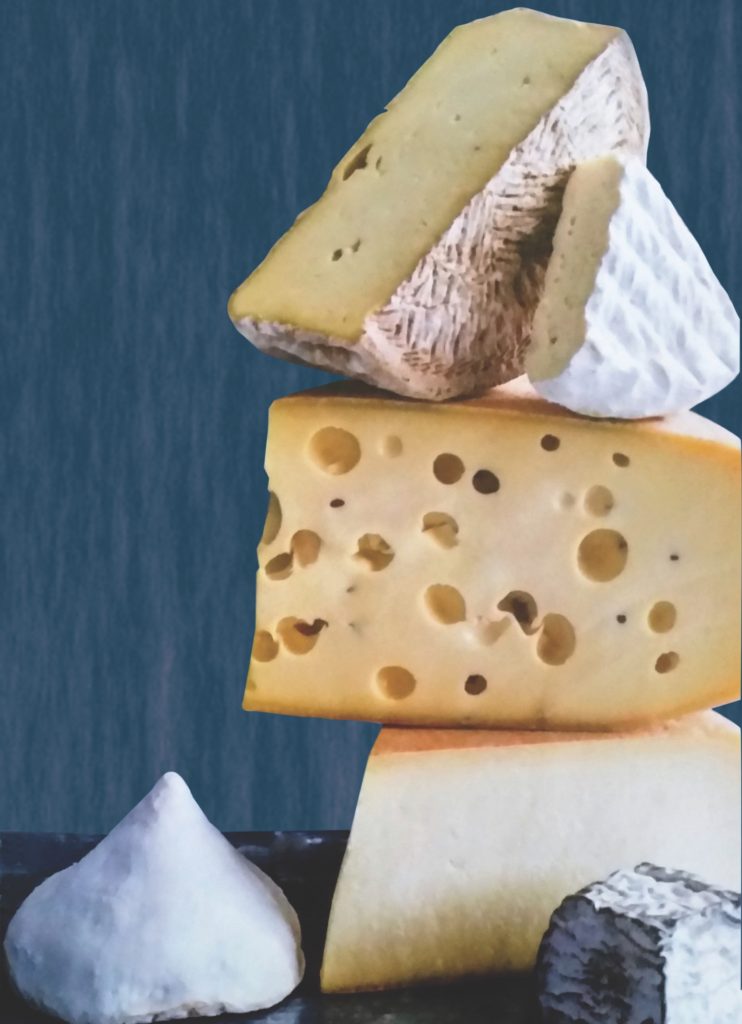
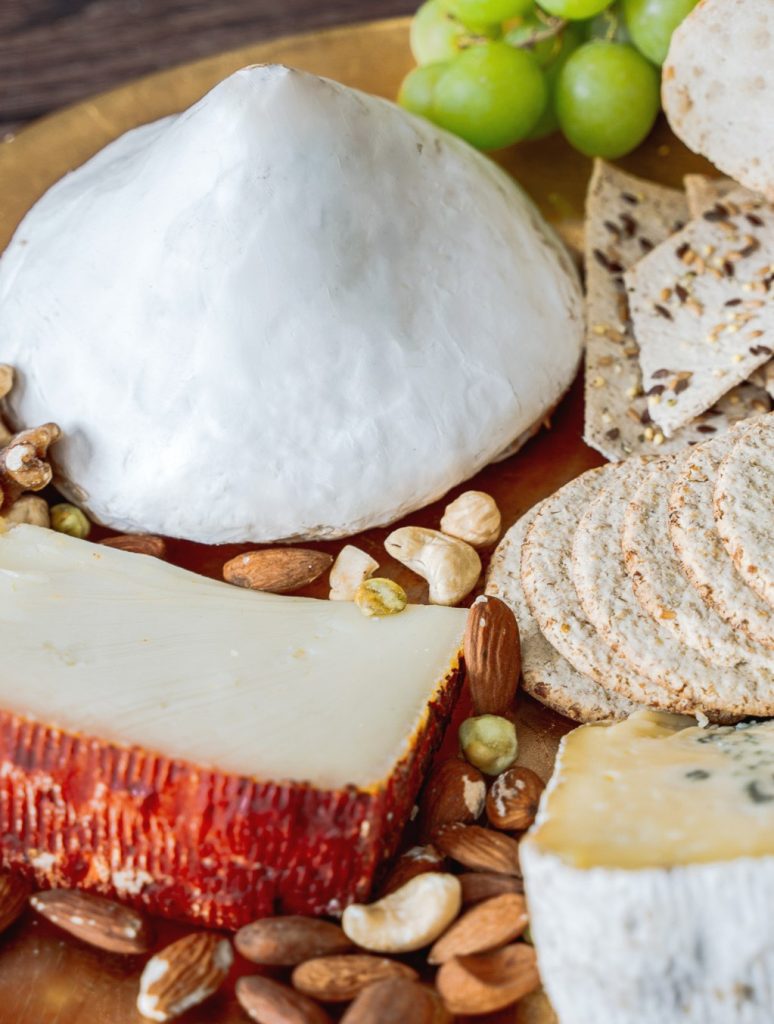
Begins with a creamy, sweet taste which develops into a nutty and full-bodied fruity flavour. The texture is pliant like an Emmental and extremely creamy. As with all sweet alpine-style cheeses, Mayfield keeps on giving with every bite. A brilliant melting cheese, use it in your pasta dishes, a fondue, on toast. It is a cheese that just keeps giving which is the reason it has many awards, including a Super Gold in the World Cheese Awards. When the cows are on grass it is light and creamy, but come the winter when the cows are indoors it becomes buttery and creamy.
At the age of 4 months this normal Mayfield is lightly smoked in a local smokery for 4 days. When it comes back to the maturing room it is lightly vacuum-packed for another 6 weeks to enable the cheese to absord the smoking. It is only lightly smoked to ensure that the smoking does not take over the flavour of the cheese. Use this in the same way as you would the unsmoked Mayfield. Made from pasteurised cows milk
is a Bell shaped semi-soft cheese which is wonderfully creamy. It is a clean citrus tasting cheese. Made from pasteurised , cow’s milk, it has a natural edible skin with a light white dusting and taste so delicious eaten straight from the fridge. Melt it on pizzas. Cut off the top and bake the bottom in the oven stuffed with garlic and thyme. Winner of many awards including a silver in the World Cheese Awards, also served at the Royal Wedding Breakfast of their Royal Highnesses, the Prince and Princess of Wales.
is a creamy mushroom earthy tasting soft cheese with a natural edible white rind. An excellent choice for cheese boards and baking; When fully matured it has a silky velvet texture to the palate. Made from pasteurised cow’s milk it carry’s on maturing in the fridge for up to 7 weeks becoming stronger and softer. Receiver of a Silver Medal at Nantwich International Cheese Show.
Is mild in strength and has a fluffly white rind. It is mellow in flavour with a subtle nutty, grassy taste. It is a soft, smooth, creamy and sometimes runny texture. It is a delicate Brie and when kept in the fridge it has becomes stronger in flavour. It is a wonderful addition to any cheese board and holds a Silver Awards in the World Cheese Awards.
is a hard ewe’s milk cheese, reminiscent of a Manchego, creamy tasting with nutty undertones, in a beautifully textured red rind reminiscent of dragon hide, which really makes a cheese board pop. It melts beautifully on burgers and is extremely good in a salad. Winners at the British Cheese Awards and World Cheese Awards.
is a rich and decadent cheese to take your cheese board to new heights. Truffled cream is sandwiched between our delicious natural tasting Brie. Using locally sourced full fat cow’s milk and Italian Black Truffles and Porcini mushrooms. It has a highly aromatic earthy flavour and is suitable for Vegetarians.
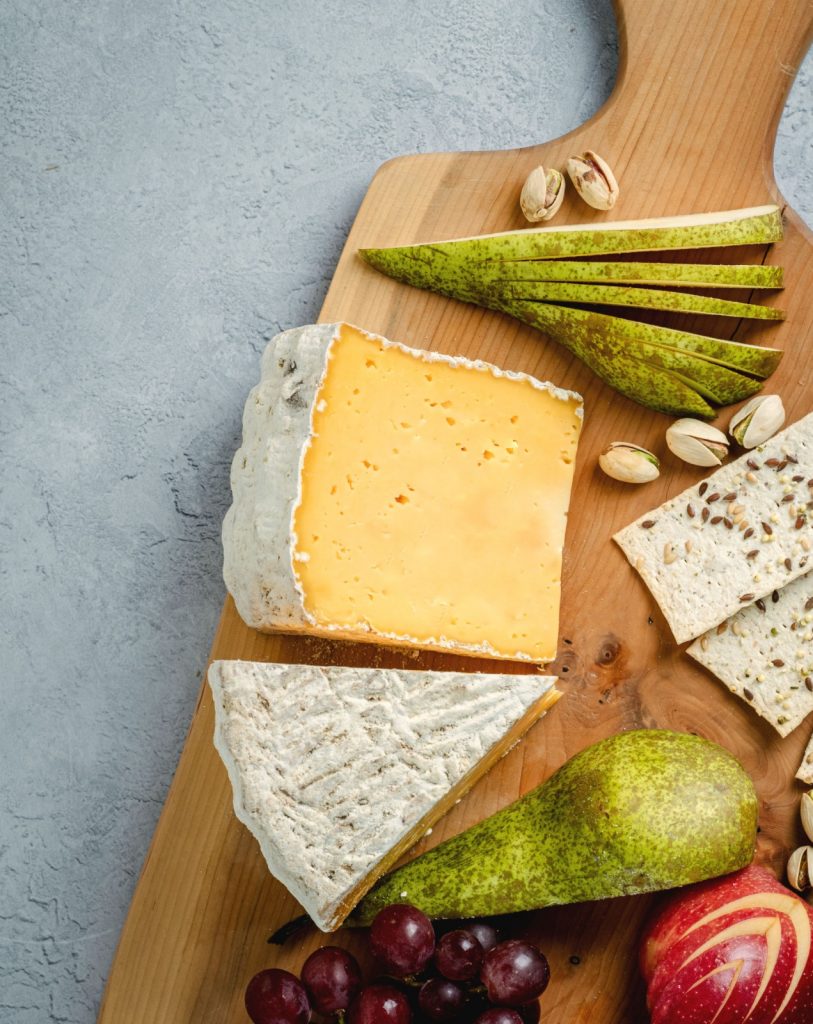
Meet our Cows
We only use the very best, locally sourced, ingredients. Our milk comes from a dedicated group of local dairy farmers who pride themselves on the quality of their grass-fed milk, along with the health and welfare of their cows.
We are passionate about making great-tasting Great British cheese and have won many awards and commendations of which we are very proud.
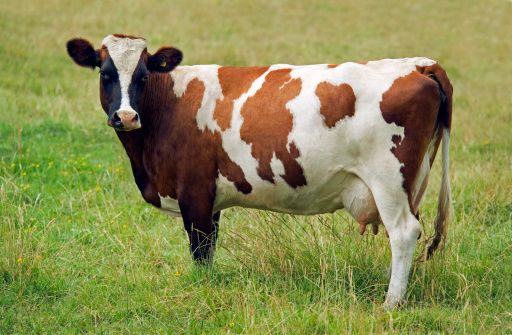
Ayreshire
Origin: This breed was brought to America around 1800 from the county of Ayr in Scotland.
Characteristics: Known as the “aristocrat” of dairy breeds because of their size and vigour. They are rusty-red and white in colour and adapt easily to their environment.
Interesting Fact: Because of their adaptability, Ayrshires are found in most parts of the world, including Southern Africa.
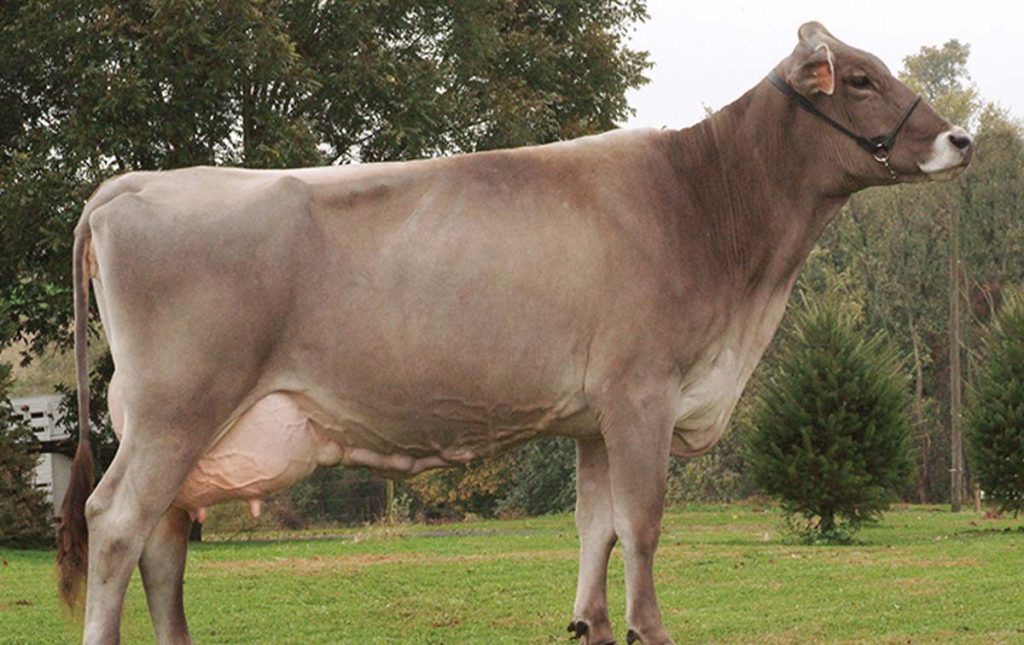
Brown Swiss
Origin: The Alps of Switzerland.
Characteristics: The Brown Swiss is considered the oldest of the dairy breeds. Brown Swiss can vary in colour, from silver to dark brown, and are large with large ears. Their milk is ideal for making cheese because of its high protein-to-fat ratio.
Interesting Fact: In Switzerland, Brown Swiss are taken to high mountain meadows in the summer. They wear large cow bells so farmers can find them in the fog!
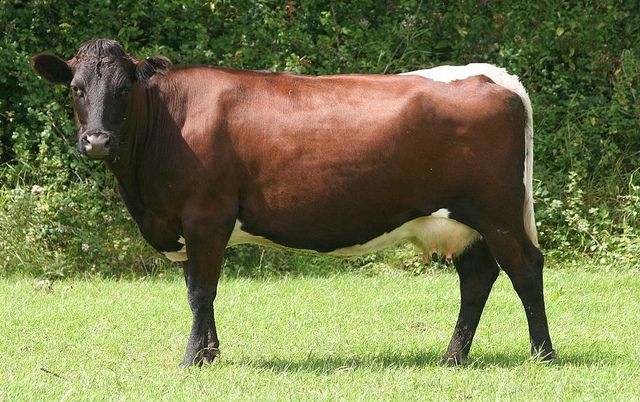
Gloucester
Origins: Severn Valley and Gloucester
Characteristics: The Old Gloucester or Gloucester is one of the oldest breeds originating as early as the 13th century. It is a traditional British breed of cattle It was originally a triple-purpose breed, reared for milk, for beef and for draught use; it is now a dual-purpose animal.
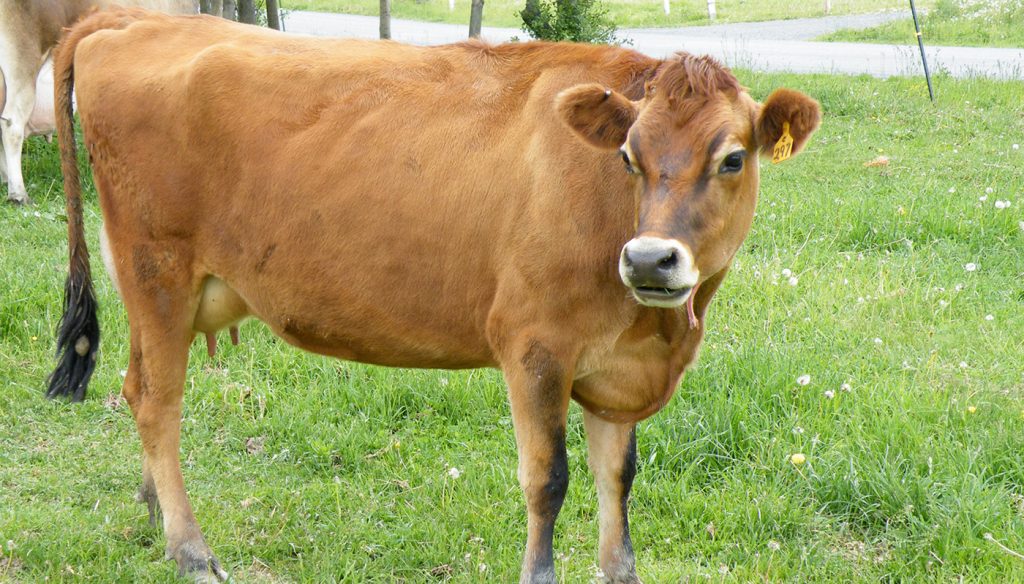
Jersey
Origin: The Isle of Jersey in the English Channel.
Characteristics: The Jersey is the smallest of the dairy breeds and her colour ranges from light to dark brown. The most heat-tolerant of dairy breeds, she produces milk with a very high butterfat content (perfect for ice cream).
Red & White
Origin: The Netherlands.
Characteristics: Knowing that Red and White dairy cattle generally carry strong Holstein genetics, their origin and history are that of their black and white relatives, except their spots are red.
cattle, but they may also have genetics from other cattle that have reddish coats, such as Milking Shorthorns or Ayrshire.
Fun knowledge
How many stomachs does a dairy cow have?
Cows need multiple stomachs to break down grasses and roughage. The cow has 4 stomachs to digest these grasses properly. These stomachs include the rumen, reticulum, omasum, and abomasum. This unique digestive system makes cows the ultimate recycler. They have the ability to convert plants that humans cannot eat into nutritious foods like milk.
What do cows eat?
In the winter months when a milk producing cow is indoors it eats about 100 pounds each day of feed, which is a combination of hay, grain, silage, and proteins (such as soybean meal), plus vitamins and minerals. Cows are the ultimate upcyclers and can eat things humans can’t. Farmers sometimes employ professional animal nutritionists to develop scientifically formulated, balanced and nutritious diets for their cows. Cows also need fresh, clean water.
How many hours do cows sleep during the day?
Cows rest about 12-14 hours per day.
How long do dairy cows live?
Dairy cows can live up to 20 years.
How much milk does a cow give each day?
Most dairy cows are milked two times per day. On average, a cow will produce six to seven gallons of milk each day.
Do dairy farmers care about their animals?
Yes! Dairy farmers are dedicated to producing high-quality milk, and that begins with taking good care of their cows. Dairy farmers work closely with veterinarians and professional animal nutritionists to keep their cows healthy and well-nourished. Nutritious diets, healthy living conditions and good veterinary care are all essential when it comes to producing safe, wholesome, nutritious milk.